

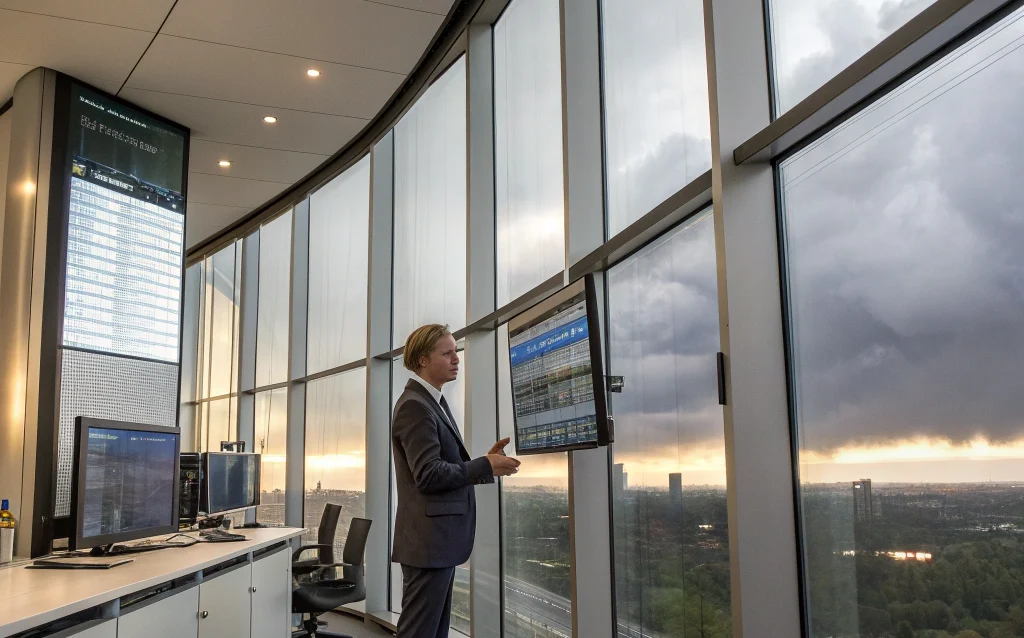

In today’s digital era, facilities management (FM) is undergoing a radical transformation—driven largely by artificial intelligence (AI) and the integration of smart technologies. As we approach 2025, the adoption of AI in Facilities Management is no longer a futuristic vision but a practical necessity. With AI enhancing everything from energy efficiency to maintenance strategies and operational workflows, the blueprint for FM is evolving rapidly. This article explores how AI is enabling smarter buildings and leaner operations, mapping out what the future holds for facilities professionals and property managers alike.
The Rise of AI in Facilities Management
AI continues to infiltrate various industries, and facilities management is now catching up with sectors like logistics, retail, and banking—industries that have long benefited from automation and predictive analytics. 2025 emerges as a critical tipping point, marking broader acceptance and deployment of AI systems throughout real estate portfolios. What sets AI in Facilities Management apart today is its capacity to shift operations from a reactive mode to a fully proactive and predictive model. Rather than waiting for disruptions or inefficiencies to arise, FM teams are now empowered to anticipate issues, allocate resources intelligently, and streamline decision-making using real-time AI insights.
Understanding the AI Workflow Blueprint of 2025
The 2025 AI workflow in facilities management is built around a tightly integrated loop of data collection, analysis, and action. At its core are intelligent building systems that collect data through numerous sensors and IoT endpoints. This data is aggregated and analyzed across cloud-based platforms that leverage AI to generate insights, automate tasks, and recommend decisions. Key components include AI workflow automation tools that respond to triggers such as equipment performance anomalies or environmental changes. Facilities teams are increasingly using digital assistants to coordinate maintenance, process automated alerts for service disruptions, and optimize schedules for cleaning, inspections, or occupancy-based servicing—all of which contribute to smoother, cost-efficient operations.
Smart Building Technology: The Foundation of Intelligent Facilities
Smart buildings form the essential infrastructure for AI-enabled FM strategies. Through a combination of IoT devices, sensors, and edge computing, these buildings offer real-time monitoring and control over assets and environments. Sensors detect temperature, air quality, motion, and even occupancy levels, feeding this critical data into centralized platforms. The results are compelling—facility managers can now manage multiple assets remotely, make real-time decisions, and scale operations across locations seamlessly. Case examples include automated HVAC systems that adjust airflow and heating based on usage patterns, lighting systems that adapt to daylight levels or occupancy, and access controls that optimize building security while enhancing user experience.
Facilities Operations Optimization with AI
AI plays a pivotal role in facilities operations optimization by identifying patterns and inefficiencies that may elude human oversight. Through real-time data analysis, AI suggests actionable improvements, whether it's adjusting cleaning frequencies in underutilized zones or forecasting supply needs for maintenance equipment. These capabilities not only reduce manual interventions but also improve occupant satisfaction, thanks to AI-personalized environments and quicker turnaround on reported issues. Moreover, AI integrates deeply with asset and supply chain management tools, enabling seamless coordination between maintenance schedules, vendor availability, and parts inventory—ultimately driving down costs and boosting resource efficiency.
Predictive Maintenance with AI: From Reactive to Proactive Strategies
One of the most promising use cases of AI in Facilities Management is predictive maintenance. Traditional reactive approaches lead to unplanned downtime, increased repair costs, and a shorter asset life. AI reverses this trend by analyzing historical maintenance data, recognizing anomalies in equipment performance, and forecasting potential failures before they occur. Machine learning algorithms continuously improve from collected data, making diagnostics smarter and lifecycle predictions more accurate. Case studies from large office complexes and healthcare facilities reveal impressive reductions in maintenance costs and service disruptions—all thanks to data-driven foresight and proactive intervention strategies.
Enabling Energy-Efficient Buildings Through AI
AI’s contribution to energy-efficient buildings is transformative. By leveraging thermal mapping, historical usage data, and occupancy patterns, AI optimizes everything from lighting to HVAC operations. Machine learning algorithms forecast demand and adjust systems accordingly, reducing energy waste and supporting sustainability goals. Integration with utility monitoring systems enables real-time tracking of consumption trends, helping facility managers take timely actions to cut excessive usage. Additionally, AI-generated energy reports play an essential role in ESG (Environmental, Social, and Governance) compliance, offering transparency and data-backed insights for sustainability reporting.
Overcoming Barriers to Adoption in the FM Sector
Despite the vast potential, the facilities management sector has traditionally been slower to embrace new technology compared to other industries. Common barriers include concerns over data security, high implementation costs, and lack of transparency in AI decision-making. However, with increasing familiarity and tangible ROI, perceptions are shifting. Leadership buy-in and comprehensive training programs are proving essential for successful AI adoption. Moreover, evolving vendor ecosystems—featuring user-friendly platforms like askporter’s AI assistant—are making the technology more accessible and easier to integrate with existing FM workflows.
Building the Future: Embracing Smarter Facilities with Leaner Ops
As we move through 2025, it’s evident that adopting AI in Facilities Management is not just strategic, but necessary for staying competitive. Facilities teams should start by assessing current tech stacks, identifying inefficiencies, and focusing on areas where AI-driven solutions can deliver immediate value. Partnering with experienced vendors, setting clear KPIs, and prioritizing staff training will ensure smoother transitions. With smart buildings and AI-powered systems now central to sustainable and efficient operations, the FM landscape is set to become smarter, leaner, and more responsive than ever before.
By embracing this technological shift, facilities professionals position themselves at the forefront of innovation, unlocking new levels of performance, cost savings, and occupant satisfaction in tomorrow’s built environment.